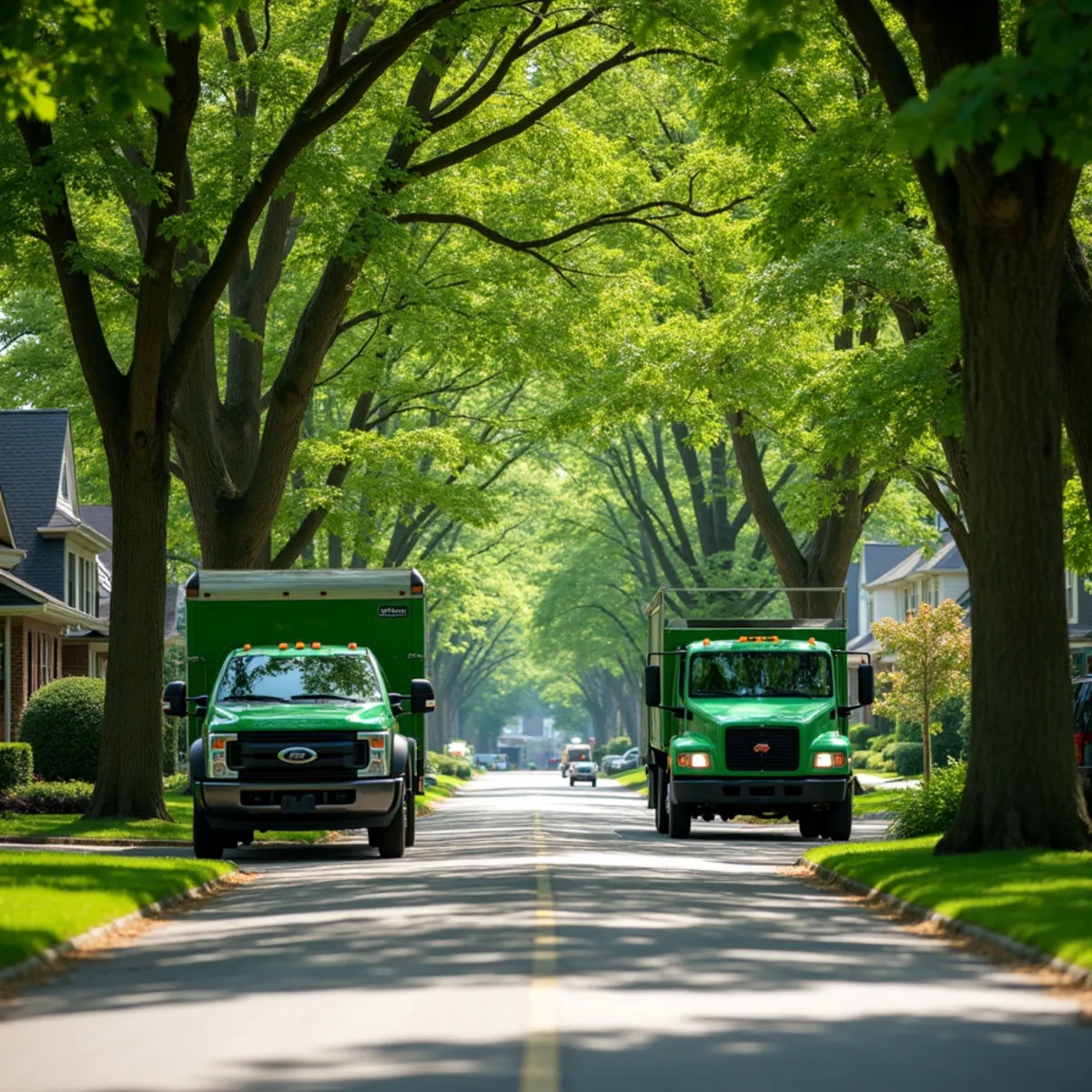
Fort Wayne is a genuinely green city. Estimates put our urban tree canopy at roughly 29% coverage, and you feel it every summer when a tree-lined street runs ten degrees cooler than an open parking lot. That canopy cleans stormwater, shades homes, and quietly adds value to nearly every property it touches.
But that number hides a wound. When the emerald ash borer (EAB) swept through northeast Indiana, it killed a huge share of our ash trees, and the dead trunks are still standing in yards and fencerows across Allen County today. Understanding that legacy is the first step to protecting the canopy you have and rebuilding what the beetle took.
Why the Canopy Is Worth Fighting For
A mature shade tree is not decoration. It intercepts rainfall before it hammers your soil, drops summer cooling costs, and supports the birds and pollinators that make a yard feel alive. Losing a single large tree can noticeably change how hot your house gets in July and how fast water pools in your beds after a storm.
That is why we treat canopy loss as a real problem and not just a cosmetic one. Every healthy tree we can preserve with good tree trimming and pruning is one you do not have to replace with a fifteen-year wait for shade.
The Emerald Ash Borer Legacy
EAB is a small metallic-green beetle whose larvae tunnel under ash bark and cut off the tree's ability to move water. Once a mature ash is infested, it typically dies within a few years. Across Fort Wayne and the rest of Allen County, that played out at scale, and the aftermath is still with us.
Here is the danger for homeowners: a dead ash does not fall down politely. It dries out, gets brittle, and sheds large limbs without warning, especially in wind or ice. Standing dead ash is one of the most common hazard trees we are called out to handle, and it is exactly the kind of tree you want gone before storm season rather than after.
Have a dead or dying ash leaning over your house, driveway, or a neighbor's fence? Do not wait for the next windstorm to decide it for you. Call (323) 606-0255 for a free estimate on safe tree removal.
How to Spot a Dead or Dying Ash
- Bare canopy branches or thin, sparse leaves while nearby trees are full
- Vertical bark splits and blonde patches where woodpeckers have stripped bark chasing larvae
- S-shaped tunnels just under the bark and small D-shaped exit holes
- New sprouts shooting straight up from the trunk base, a stress response
- Brittle limbs that snap cleanly and drop even in light wind
Replant Diverse, Not Just Fast
The lesson EAB taught every Midwestern city is simple: do not put all your eggs in one species. Streets that were planted almost entirely in ash lost almost everything at once. When you rebuild your own yard's canopy, spread the risk across several kinds of trees so no single pest or disease can wipe you out again.
Good replacement choices for our Blount and Pewamo clay soils include oaks, hackberry, tulip poplar, serviceberry, and disease-resistant elm cultivars. We match species to your soil, drainage, and how much room the roots and crown will actually need at maturity. Thoughtful landscape design and installation turns an empty gap into a tree that fits the spot for the next fifty years.
Proactive Pruning Keeps the Rest Healthy
The trees you already have are your fastest path back to full canopy, because they are decades ahead of anything you plant today. Structural pruning while a tree is young builds a strong central leader and removes the weak, competing branches that fail first in storms. On mature trees, careful deadwooding and thinning reduce wind load and catch small problems before they become emergencies.
As a family-owned company serving Fort Wayne and the surrounding Allen County area, owner Darick Van and our crew are fully insured and treat every yard like it belongs to a neighbor, because usually it does. We would rather help you keep a great tree than sell you a removal you did not need.
Where to Start
If you are staring at a dead ash or an empty spot where a big tree used to be, start with an honest look at what you have. We will walk your property in Fort Wayne, flag any hazards, and lay out realistic options and planning ranges so you can decide at your own pace. Rebuilding the canopy is a long game, and the best time to take the next step is now.
A practical way to think about it: preserve the healthy mature trees you have with regular pruning, remove the true hazards before they fail, and replant each gap with a species that was not already common on your block. Do that a tree at a time, year after year, and a decade from now your yard is shadier, more resilient, and worth more than the day the ash came out. We are happy to help you sketch that plan and prioritize what to tackle first.
Frequently Asked Questions
Is emerald ash borer still a threat in Fort Wayne?
Should I remove a dead ash tree myself?
What should I plant to replace a lost ash tree?
Does removing a hazardous tree really protect my property value?
All About Tree & Turf Services
Family-owned landscaping and tree service in Fort Wayne, led by Darick Van. We share what we've learned working on real Northeast Indiana properties. Questions? Call (323) 606-0255.