Tree & Shrub Planting in Fort Wayne, IN
Replace the lost ash, fill the gap a storm left, and plant something that still fits the yard 30 years from now.
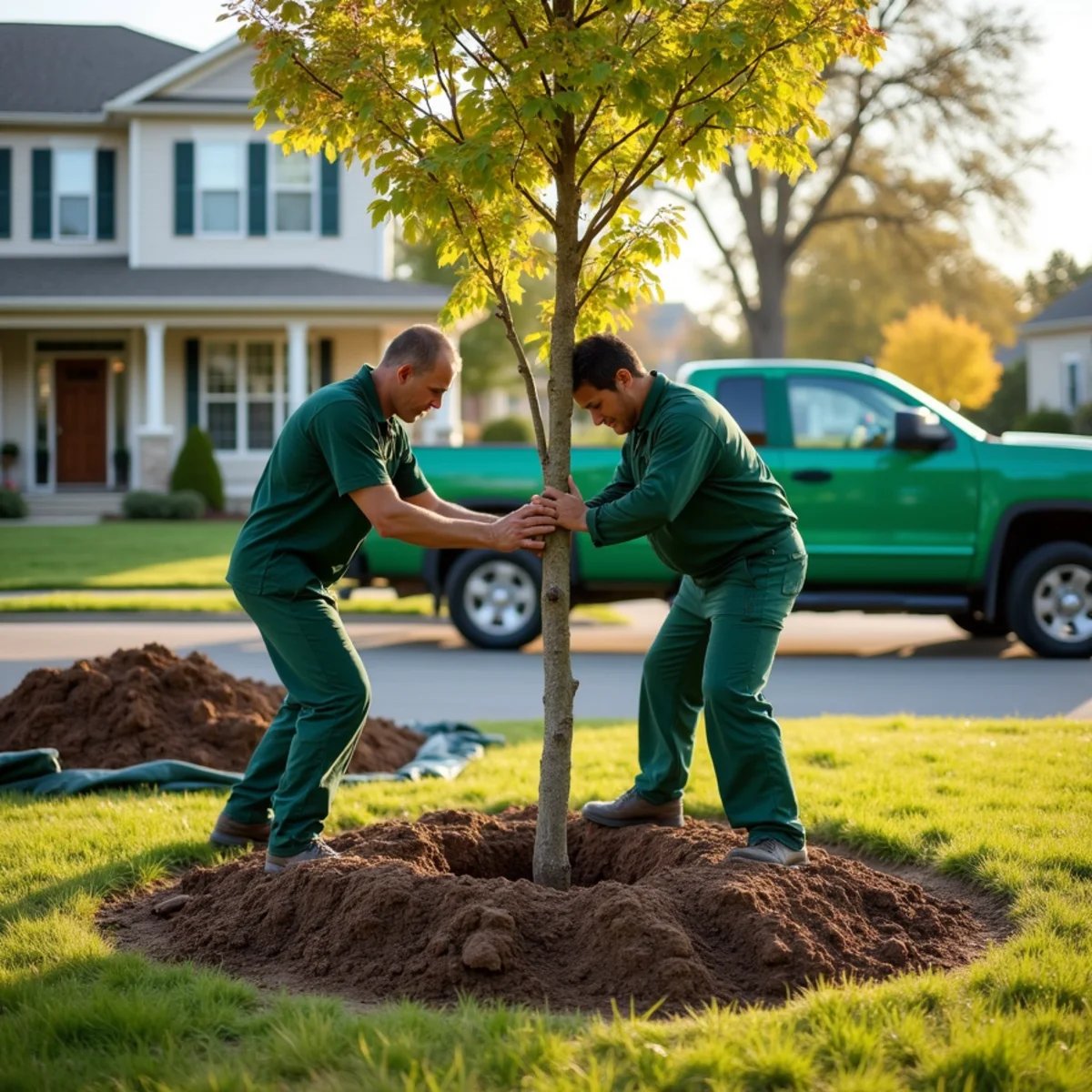
All About Tree & Turf handles tree planting in Fort Wayne and across Allen County for private yards: shade trees going in where an ash or a storm-damaged tree came down, small flowering trees for a front yard, and shrubs for foundation beds, hedges, and screens. We help you choose species that suit the spot, check for buried utilities, plant at the correct depth, and mulch and water everything in before we leave.
Most young trees that fail don't die from bad luck. They die from being planted too deep, set in a spot they'll outgrow, smothered in a mulch volcano, or left to dry out the first summer. Fall is the best time to plant most trees here, and a little planning around mature size, overhead lines, and Allen County's heavy clay does more for a new tree than any fertilizer.
One limit to know up front: we plant on private property only. The strip between the sidewalk and the curb is usually City of Fort Wayne right-of-way, and residents can't plant there themselves. The city's Citizen Match Tree Planting Program shares the cost of street trees, with applications taken February through July 1. Our guide to Fort Wayne street-tree rules explains how the city handles trees in that strip.
Part of our tree services in Fort Wayne — also see tree removal, tree & shrub trimming, stump grinding & removal, emergency tree service, storm damage tree cleanup and fallen tree removal.
Signs You Need Tree & Shrub Planting
What's Included
- Site check for overhead lines, foundations, sidewalks, drainage, and mature size
- Species suggestions built around Indiana natives and proven shade trees
- Container-grown and balled-and-burlapped trees, plus shrubs for beds, hedges, and screens
- Indiana 811 utility locate requested before any digging
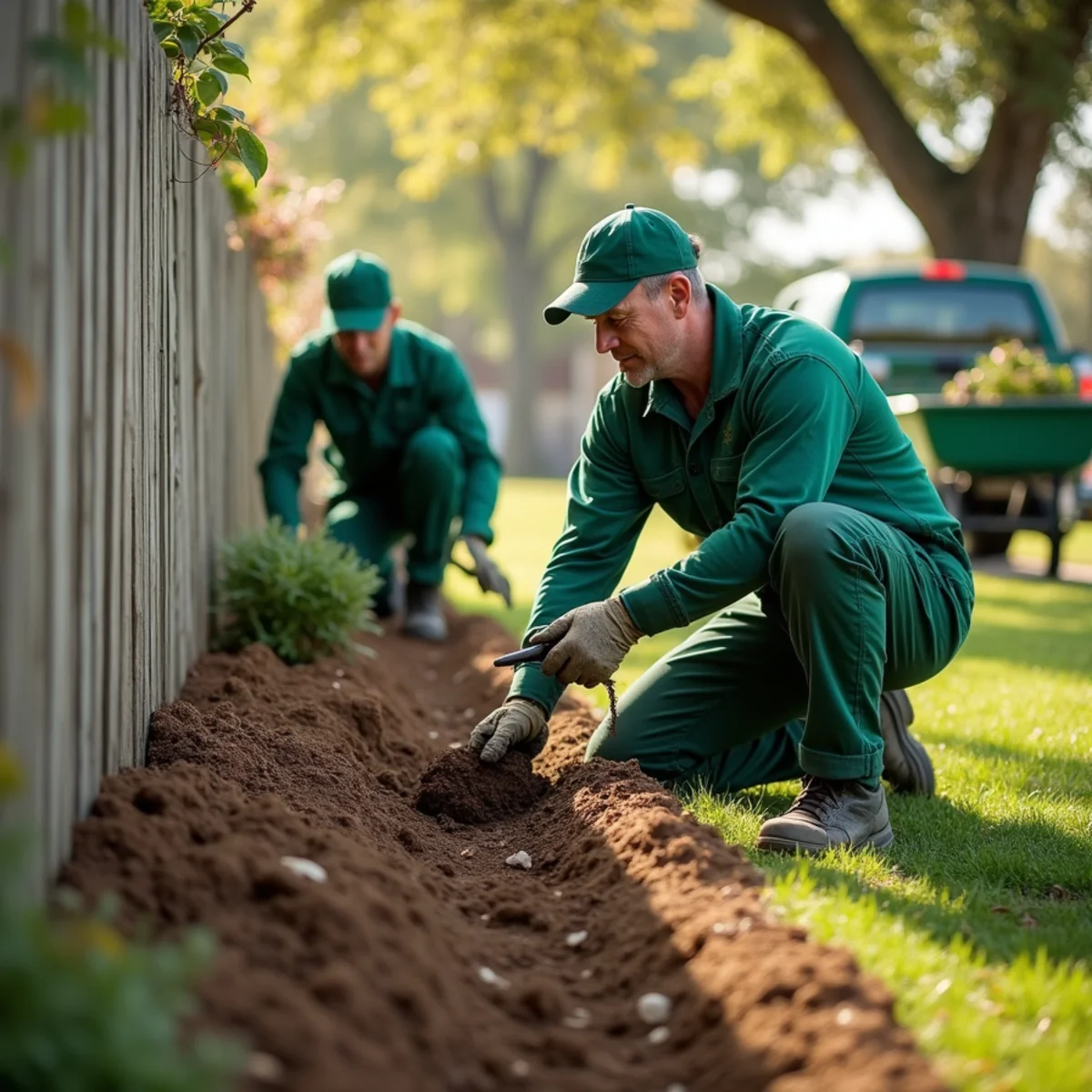
- Wide planting holes dug no deeper than the root ball, with the root flare set at grade
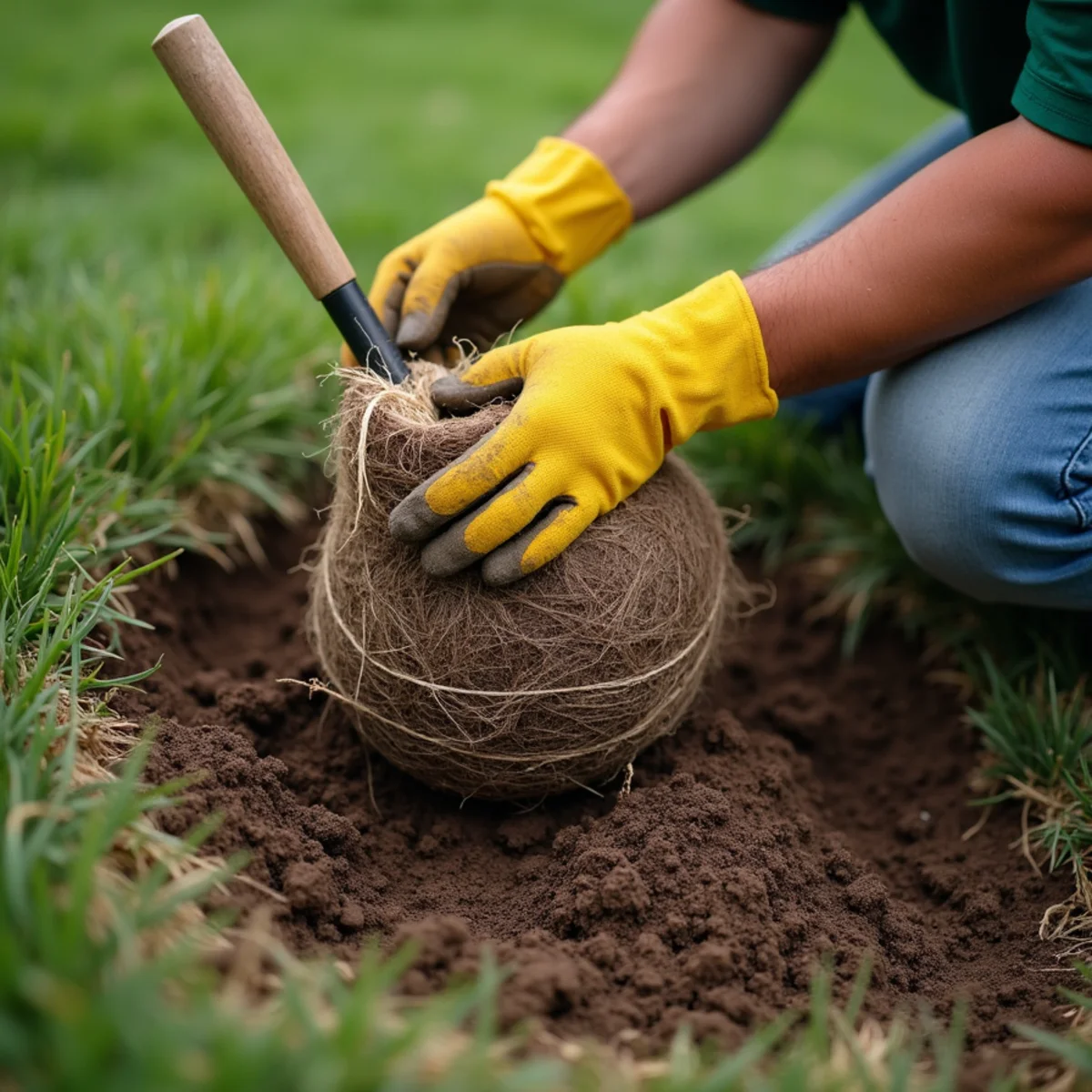
- Twine, burlap, and wire basket cut back from the top of the root ball; circling roots on container plants corrected
- Backfill with the native soil, watered in to settle out air pockets
- Mulch spread 2 to 3 inches deep in a wide, flat ring kept off the trunk
- Staking only when a tree can't stand on its own, with soft, loose ties
- Watering guidance for the first two growing seasons
Get a Free Tree & Shrub Planting Quote
Serving Fort Wayne & Northeast Indiana. Call (323) 606-0255 or request an estimate online.
Free estimates Fully insured Family-owned & local
How It Works
- 1Walk the yard and mark the spotsWe check sun, overhead lines, the house and driveway, and how long the soil stays wet, then talk through what you want each tree or shrub to do.
- 2Pick species and sizesYou get species suggestions matched to the site and a written estimate listing each plant, its size, and whether it's container-grown or balled and burlapped.
- 3Locate utilities and digAn Indiana 811 request goes in at least two full working days ahead. Holes are dug two to three times as wide as the root ball but no deeper, with the sides roughened so roots can push into the clay.
- 4Set, backfill, and mulchThe root flare sits at or just above grade, wrapping is cut back, native soil goes back in, and each plant is watered in and mulched in a flat ring.
- 5Watering plan and care hand-offWe leave you a watering plan for the first two years. Ask about care expectations before you book, so nothing about the first two seasons comes as a surprise.
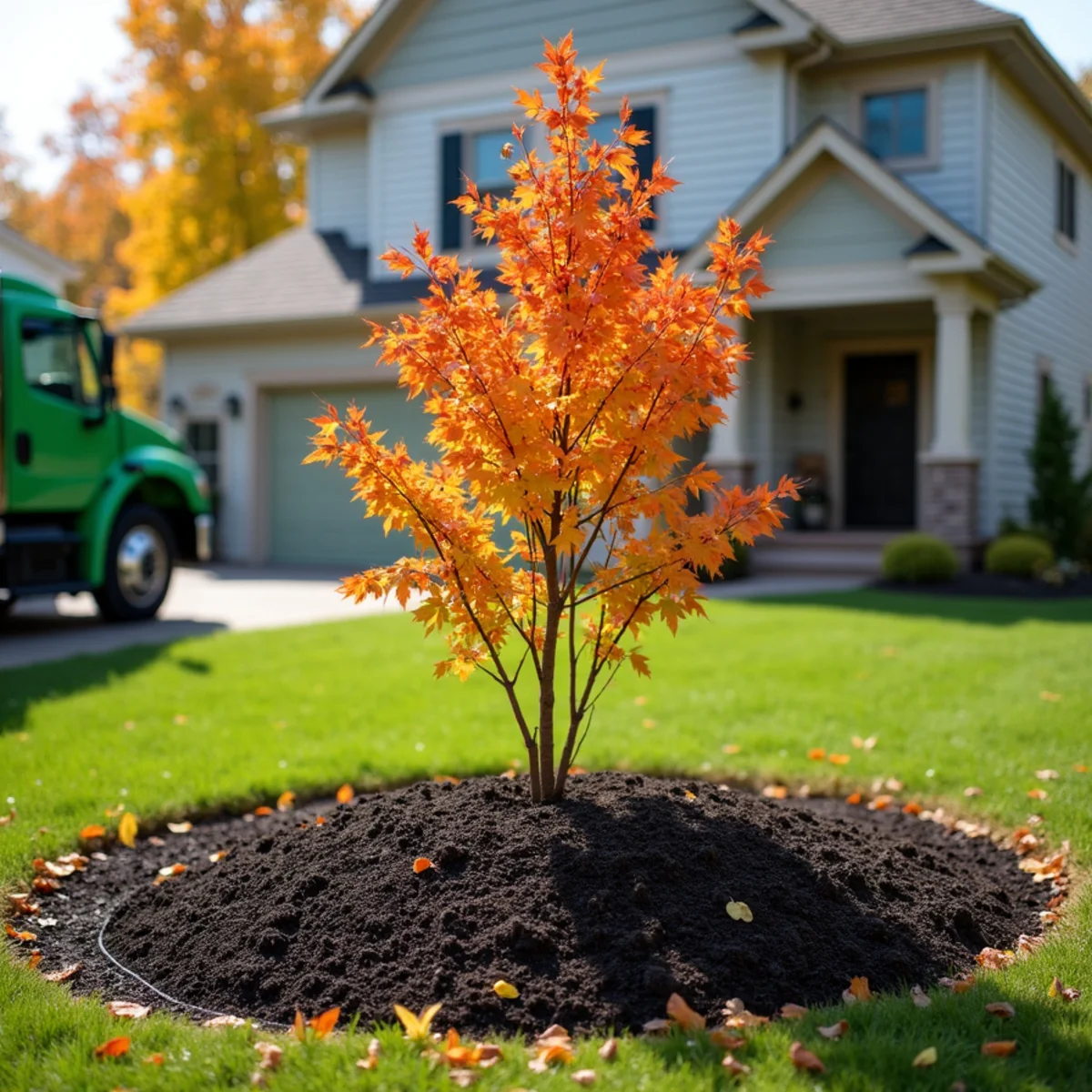
Tree Planting in Fort Wayne After Ash and Storm Losses
Emerald ash borer killed most of the ash trees in Allen County, and plenty of yards are still living with the gap. If a dead ash is still standing, that comes first. Our guide to Fort Wayne's tree canopy after emerald ash borer covers what the loss has meant locally. The lesson worth carrying into replanting is diversity: a block planted with one kind of tree can lose every one of them to a single pest, so mix species instead of repeating what the whole street already has. We don't plant ash.
Storm losses raise a different question: why did the old tree go over? On Blount and Pewamo clay, roots tend to stay shallow in wet, dense soil, and saturated ground lets whole trees tip after days of rain followed by wind. A replacement usually does better a few feet away from the old root zone, in a spot with room for its mature roots and crown. If the old stump is in the way, it has to come out first, and stump grinding can be scheduled ahead of planting so the spot is ready.
Replacement trees can start smaller than you might expect. Smaller trees usually establish faster than big ones, and within a few years a well-planted young tree often catches up to a larger one that struggled through transplant shock. When you're buying shade for the long run, bigger at planting isn't always better.
Right Tree, Right Place on a Fort Wayne Lot
Start with mature size, not the size on the truck. Large shade trees like bur oak, swamp white oak, tulip tree, and sugar maple eventually need a lot of room, so as a rule of thumb they belong at least 20 feet from the house and well clear of driveways and sidewalks. Under or near overhead lines, plant only small trees like serviceberry or eastern redbud, because anything that grows into the lines will eventually be cut back hard by the utility's line-clearance crews.
Then match the tree to the soil. Allen County's clay holds water, so a low, soggy corner calls for trees and shrubs that tolerate wet feet: swamp white oak, river birch, red maple, black gum, buttonbush, and red-osier dogwood. Better-drained spots open the list to sugar maple, tulip tree, and American linden, while bur oak and Kentucky coffeetree handle tough, compacted clay. Near the street or a driveway that gets salted all winter, pick species that tolerate road salt. Sugar maple is notably sensitive, while hackberry, bur oak, Kentucky coffeetree, and thornless honeylocust hold up better.
For shrubs, give foundation plantings room to reach full size without touching the siding, and leave space around air conditioners, meters, and window wells. Native shrubs like ninebark, red-osier dogwood, and serviceberry settle into clay and feed pollinators and birds. Our guides to the best trees to plant in Fort Wayne and native plants for Northeast Indiana go species by species. We won't plant Callery pear, which is invasive in Indiana.
Timing, Planting Depth, and the First Two Years
Fall is the preferred planting season for most trees and shrubs here. The soil stays warm after the air cools, so roots keep growing while the tree isn't pushing new leaves, and it heads into its first summer with a head start. According to City of Fort Wayne Parks & Recreation Forestry, the city does its own street-tree planting in fall, from October 1 through December 31. Spring works too, and a few species, often including black gum, tulip tree, and river birch, are commonly held for spring because they root in more slowly. We don't plant into frozen or waterlogged ground.
Depth is where most planting goes wrong. The root flare, where the trunk widens into the roots, should sit at grade, and on heavy clay we often set it an inch or two high so it doesn't settle too low. Planting too deep is one of the most common reasons young trees decline. Balled-and-burlapped trees often arrive with extra soil piled over the flare, so we find the flare before digging to final depth. The hole is backfilled with native soil rather than rich potting mix, which in a clay hole can act like a bathtub and hold water around the roots.
After planting, mulch goes down 2 to 3 inches deep in a wide, flat ring pulled a few inches off the trunk, never a volcano; our guide on how much mulch you need covers the math. Water deeply about once a week through the first two growing seasons whenever rain doesn't do it, checking the soil a few inches down first, since clay can drown roots as easily as drought can dry them out. Stake only trees that can't stand on their own, keep the ties loose, and take the stakes off after about a year. And because planting holes for larger trees go well below the surface, Indiana 811 needs at least two full working days' notice before anyone digs.
What Affects the Price
We give free, itemized estimates — no fake online prices. Your quote depends on:
- Plant size: container-grown versus balled-and-burlapped, and trunk caliper on larger trees
- Species and availability, since some natives are harder to find in bigger sizes
- Access: whether a heavy root ball can be moved by machine or has to be carted by hand through a gate
- How many trees and shrubs are planted in the same visit
- Grinding an old stump or pulling out old shrubs and roots before planting
- Wet or compacted clay that needs extra site work before anything goes in
- Mulch, bed edging, and other finishing work around the new plantings
Why Fort Wayne Chooses Us for Tree & Shrub Planting
Tree work is the most dangerous job we do, so we treat it that way: limbs are rigged and lowered instead of dropped, crews and equipment are insured, and the yard is raked clean before we leave.
Tree on your house, car, or wires in Fort Wayne?
Our emergency line is answered 24/7. If there are downed power lines or injuries, call 911 and the utility first, then us.
How to Get Your Free Tree & Shrub Planting Estimate
- 1Call (323) 606-0255Tell us what's going on. You talk to the crew, not a call center.
- 2We look at the propertyWe walk the job with you, check access, and answer questions on the spot.
- 3Written, itemized estimateLabor and materials separated. No obligation, and no pressure to decide that day.
Tree & Shrub Planting FAQs
When is the best time to plant trees in Fort Wayne?
What should I plant to replace a dead ash tree?
Can I plant a tree in the strip between the sidewalk and the curb?
How deep should a new tree be planted?
How often should I water a newly planted tree?
Should a new tree be staked?
How far from my house should I plant a tree?
How much does tree and shrub planting cost?
Tree & Shrub Planting Across Northeast Indiana
We provide tree & shrub planting in Fort Wayne and throughout the surrounding communities:
Related Services
Stump Grinding & Removal
Stumps ground below grade, surface roots chased out, and the spot left ready for lawn, a bed, or a new tree.
Learn moreLandscape Design & Installation
Custom-designed beds, plantings, mulch, and edges — designed and installed by one crew.
Learn moreMulching & Bed Maintenance
Weeded beds, crisp spade-cut edges, and fresh mulch at the right depth, with no mulch volcanoes.
Learn moreTrusted by Fort Wayne Homeowners
Based on verified Google reviews from Fort Wayne & Allen County customers
“Darick and his crew were super professional and did an outstanding job on our landscaping front yard work. Highly recommend.”
Google Review
Fort Wayne, IN
“They took down a 40-foot tree hanging over a structure and cleaned everything up. Very happy with their service.”
Google Review
Allen County, IN
“On time, fair price, and they left the yard cleaner than they found it. Exactly what you want from a local crew.”
Google Review
New Haven, IN
Ready for Tree & Shrub Planting?
Family-owned crews serving Fort Wayne & Northeast Indiana. Call now or request a quote — we answer the emergency line 24/7.
Free estimates Fully insured Family-owned & local