
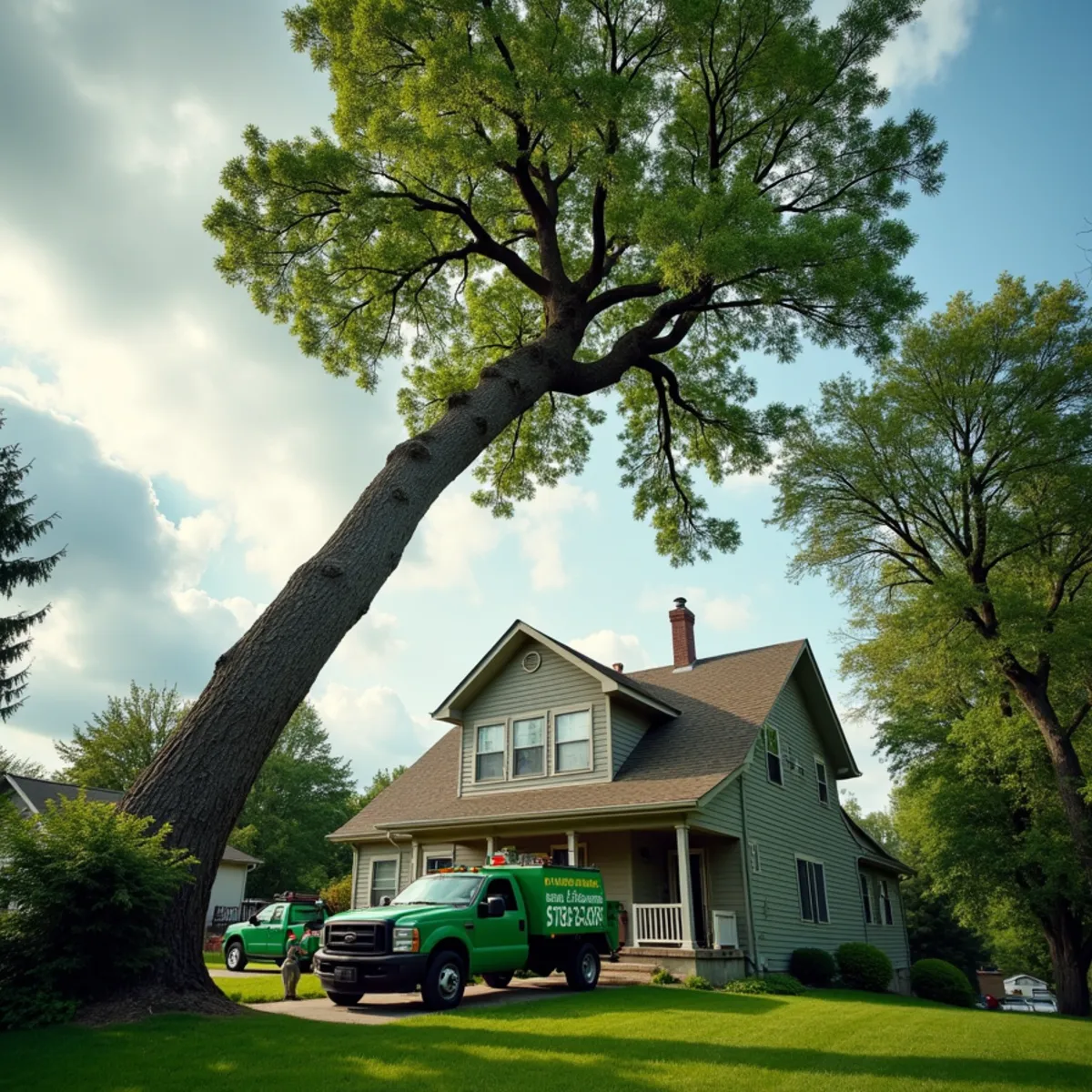
The best time to figure out whether a tree is dangerous is on a calm afternoon, long before the wind is howling and a limb is already through your roof. Indiana storm season brings the straight-line winds, saturated soil, and ice that turn a quietly declining tree into an emergency, and by then your options are limited and expensive.
Walk your property and look up at the trees near your house, driveway, and power lines. Here are seven warning signs that a tree may be a hazard, and what each one means for you.
7 Warning Signs to Look For
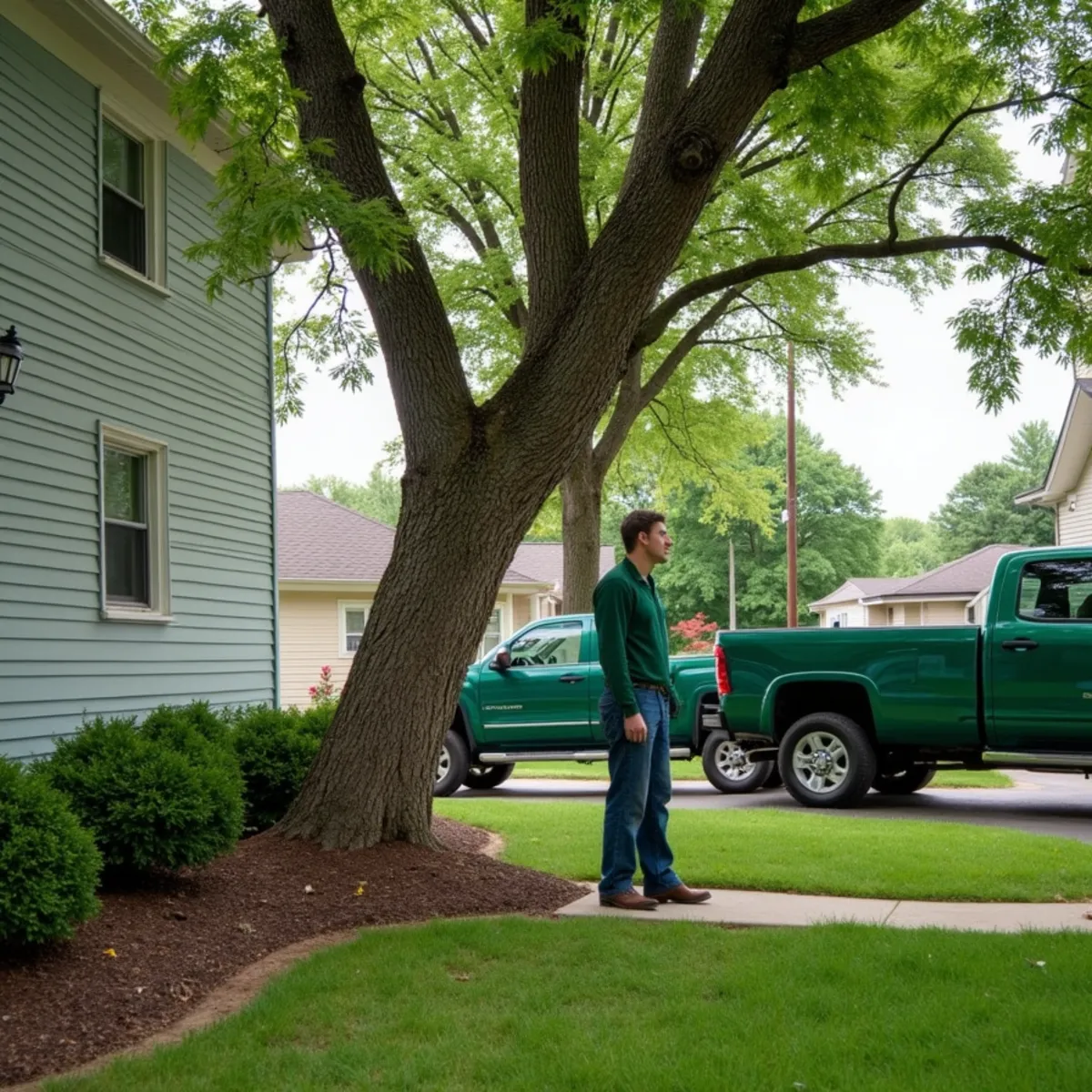
1.A Sudden or Worsening Lean
Many trees grow at a slight angle and are perfectly stable. What worries us is a new lean, a lean that is getting worse, or a lean with cracked or heaving soil on the high side, which suggests the roots are letting go.
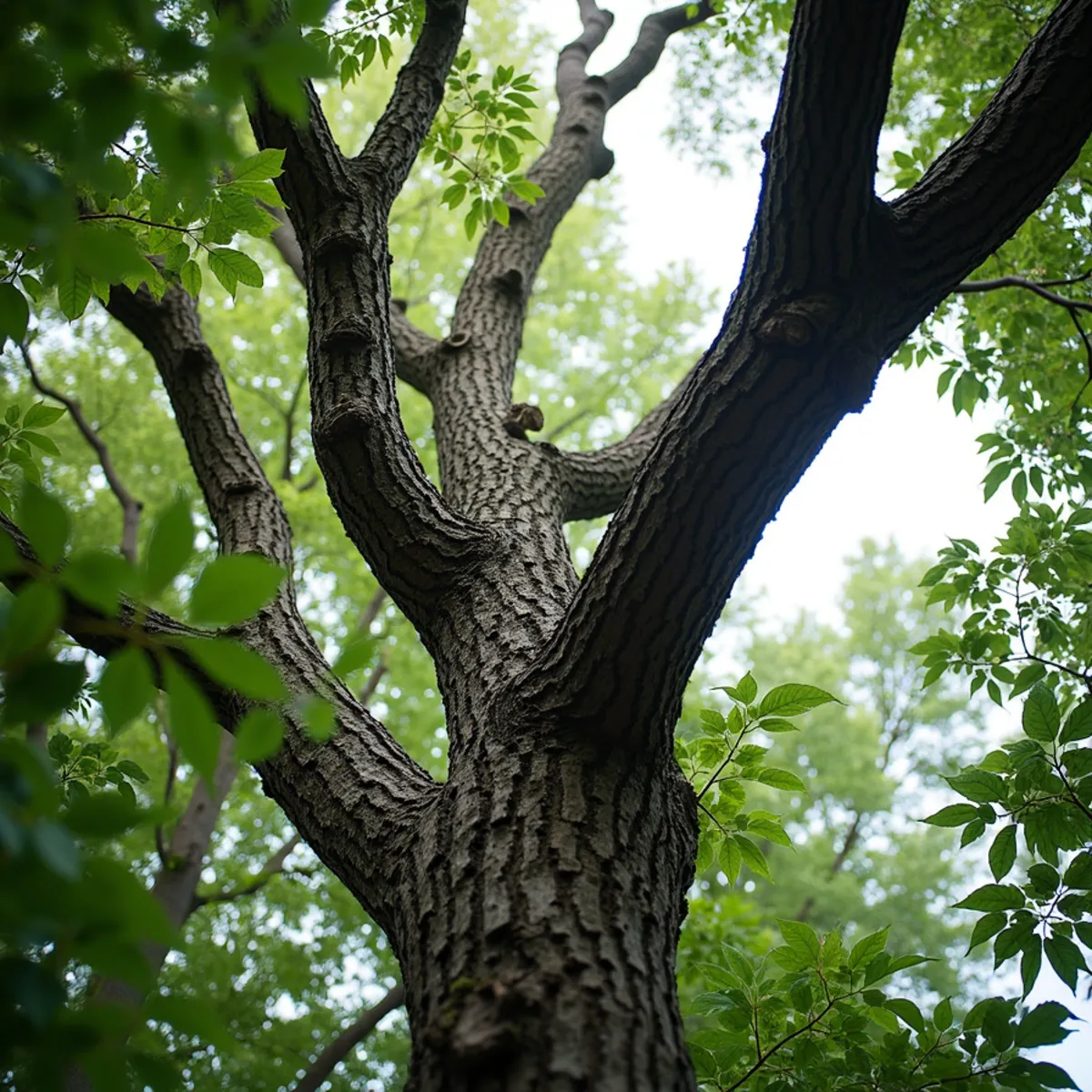
2.Large Deadwood in the Crown
Bare, brittle branches with no leaves while the rest of the tree is green are dead limbs waiting to fall. Big deadwood directly over a roof, driveway, or walkway is one of the most common preventable hazards we see.
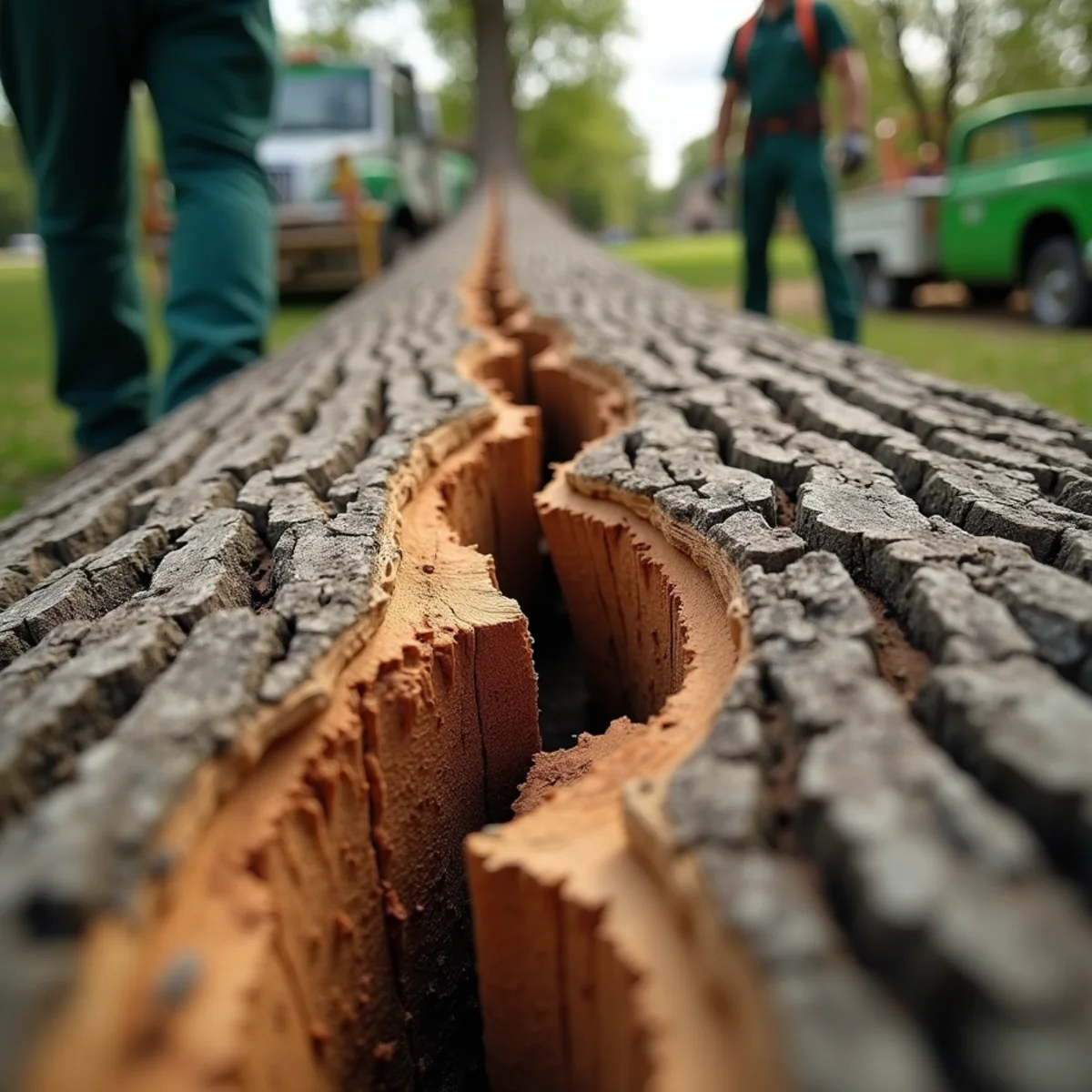
3.Cracks and Splits in the Trunk or Limbs
Deep vertical cracks, seams, or a split where two large stems meet are structural failures in progress. A cracked main union can let a huge section of the tree tear away in wind.

4.Fungus, Mushrooms, or Conks
Shelf-like conks and mushrooms growing on the trunk, root flare, or base often signal internal decay. The tree may look fine from the outside while it is hollow or rotting where it counts.
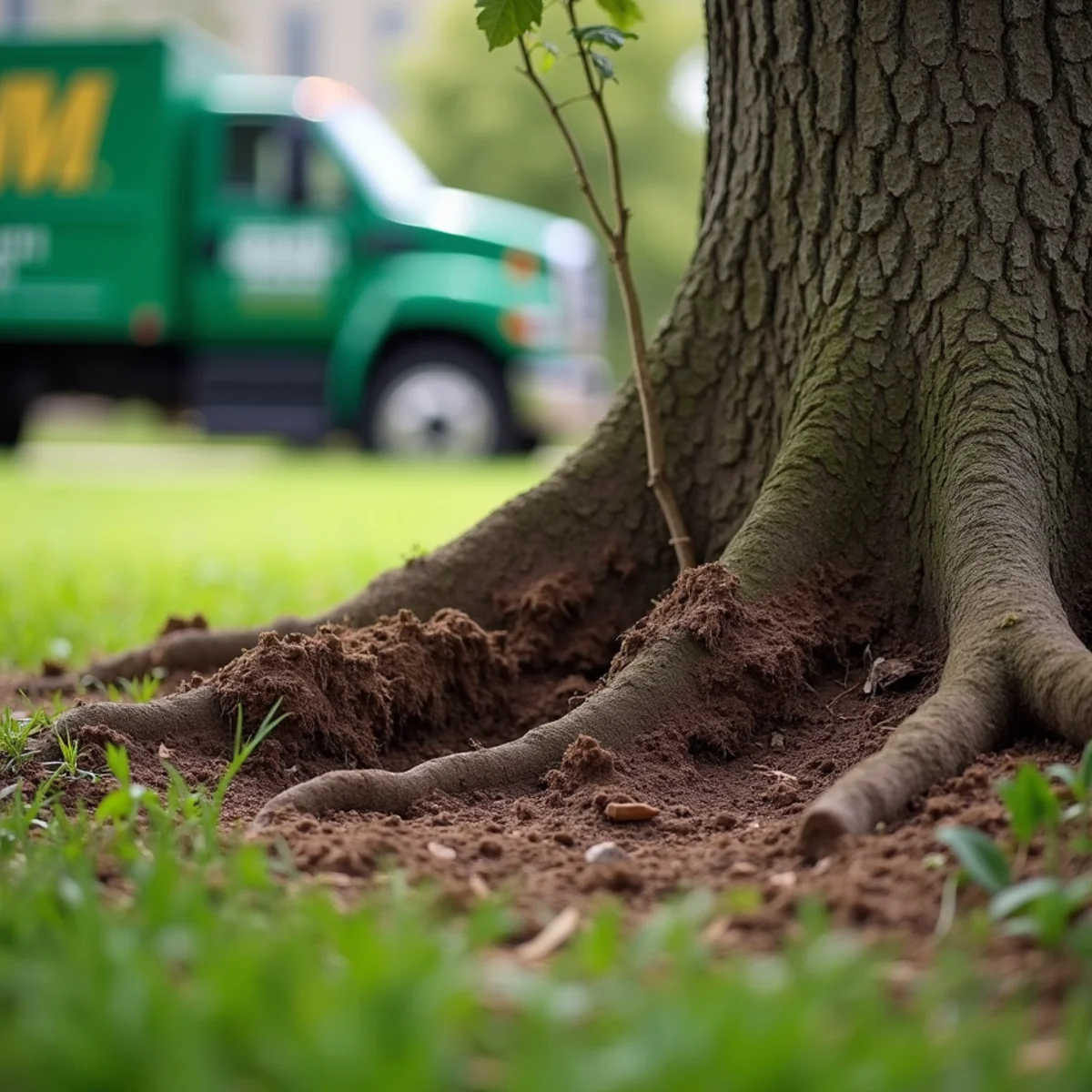
5.Heaving or Exposed Roots
If the soil is mounding, cracking, or lifting on one side of the trunk, the root plate may be failing. Cut, damaged, or rotting roots, common after nearby digging or construction, undermine the anchor that holds the whole tree up.
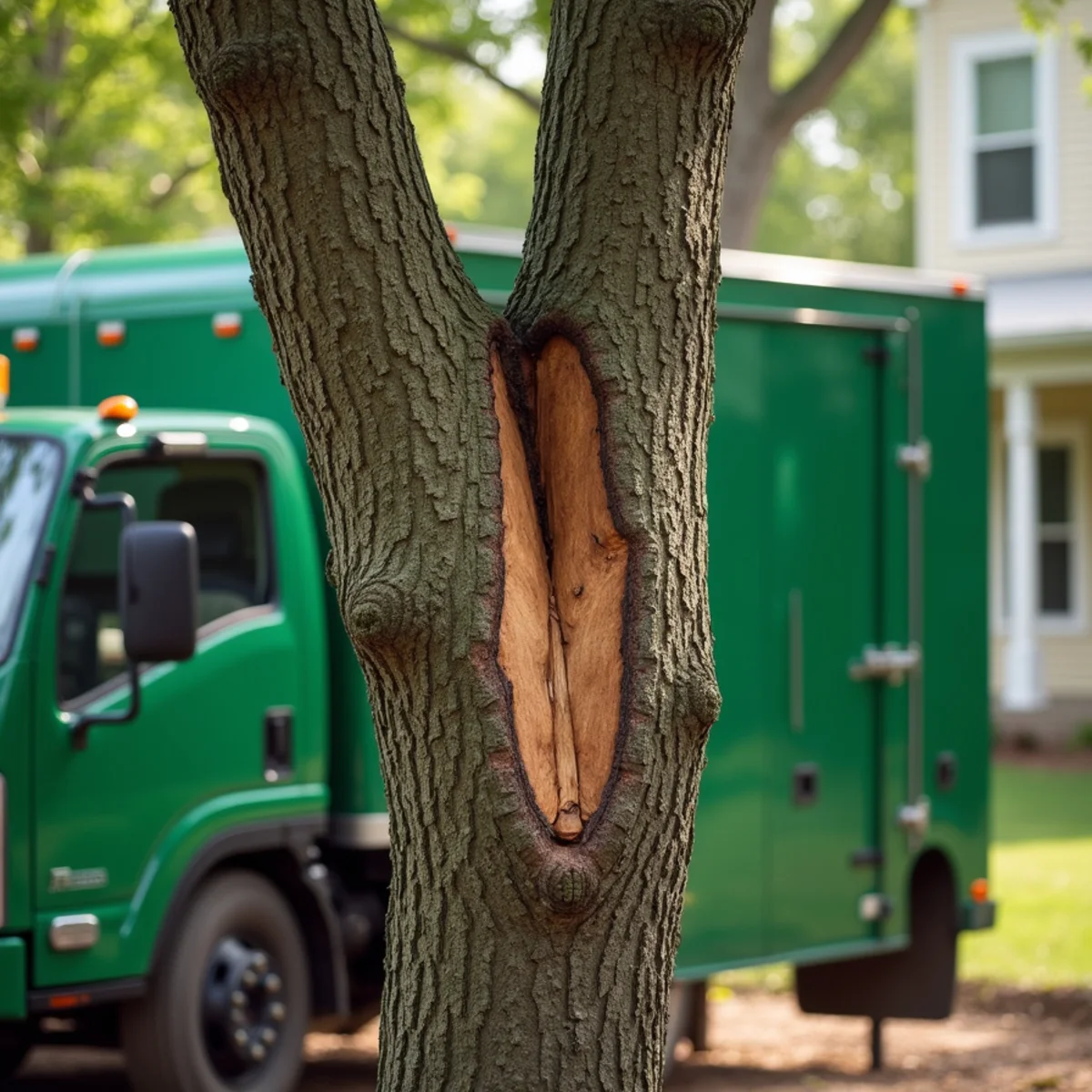
6.Included Bark in Tight Unions
When two stems grow up tightly together in a narrow V, bark can get trapped in the union instead of solid wood fusing them. These weak, V-shaped forks are far more likely to split apart under snow, ice, or wind than a strong, U-shaped union.
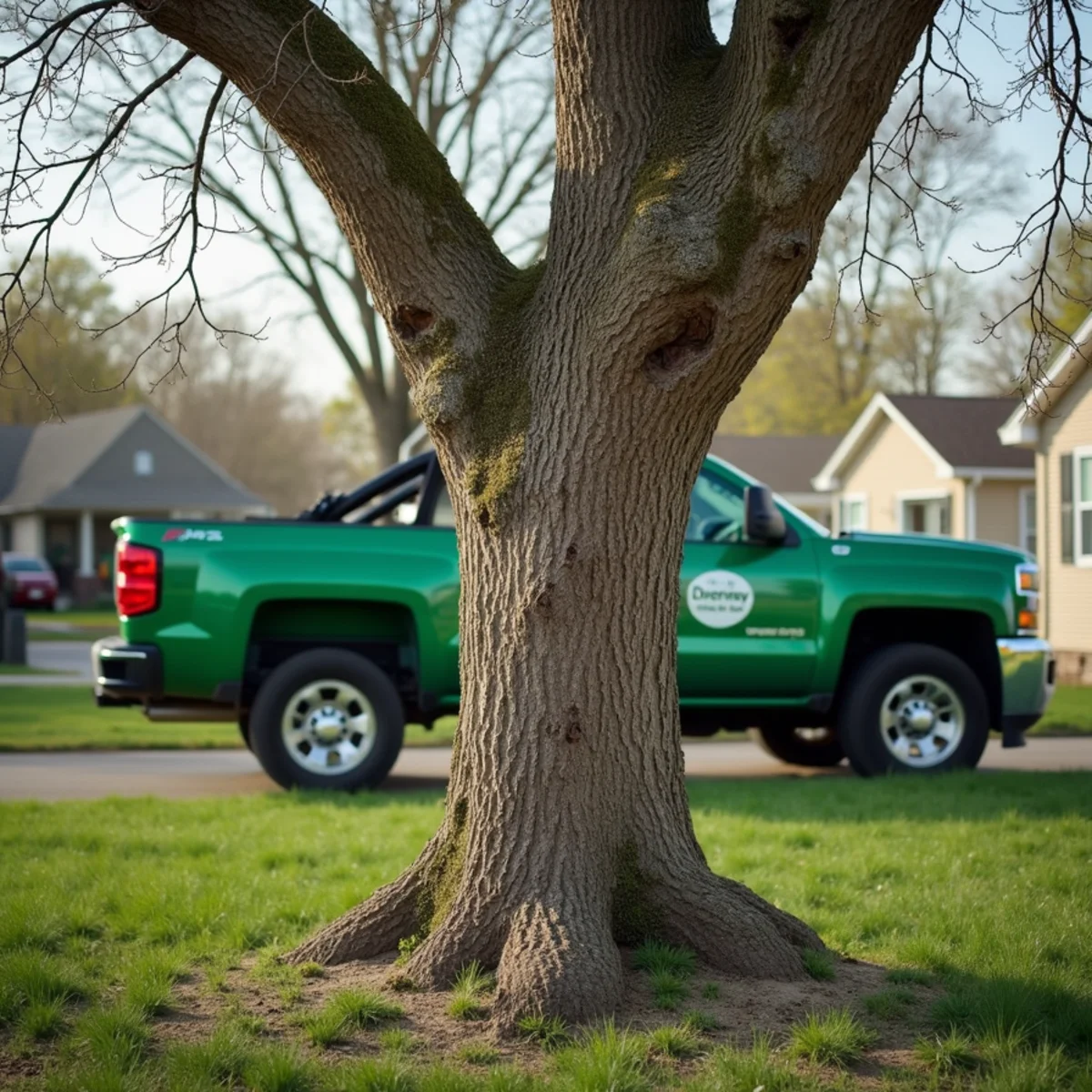
7.A Standing Dead Ash Tree
Thanks to the emerald ash borer, dead ash trees are everywhere in Indiana, and they are especially dangerous because the wood turns brittle fast and sheds large limbs, or whole tops, without warning. If you have a dead ash over anything you value, treat it as urgent.
Some of These Mean Prune, Others Mean Remove
Not every warning sign is a death sentence for the tree. Deadwood and some weak branch unions can often be corrected. Skilled tree trimming and pruning removes dead and hazardous limbs and can reduce the weight on a risky union, keeping an otherwise healthy tree safe and standing for years.
Other signs point toward removal. Significant trunk decay, a failing root plate, a serious new lean, or a standing dead ash are usually beyond pruning, and the safest answer is professional tree removal before the tree decides its own timing during a storm.
Spotted one of these signs on a tree over your house? Do not wait for the next storm to make the call. Phone (323) 606-0255 for a free hazard assessment and honest advice.
When It Is Already an Emergency
Sometimes the storm gets there first. A tree comes down on the house, a huge limb is hung up over the driveway, or a trunk is leaning hard against the power lines after the wind passes. That is not a wait-and-see situation. Our emergency tree service responds when a tree becomes an immediate danger, and we bring the rigging and equipment to handle it safely rather than making the damage worse.
Why a Professional Eye Matters
Some hazards are obvious from the ground, but the most dangerous ones, internal decay, subtle root problems, cracks hidden high in the crown, are exactly the ones homeowners miss. A trained assessment reads the whole tree and catches the trouble you cannot see from your patio.
As a family-owned, fully insured company, owner Darick Van and our crew give you a straight read. We will tell you when a tree just needs a trim, when it truly needs to come out, and when you can safely leave it alone, with honest planning ranges either way. We serve the lake country around Fremont and all of greater Fort Wayne. Get the trees over your house checked now, while the weather is calm and the choice is still yours.
One caution before you climb a ladder to inspect: keep both feet on the ground. Looking up from a safe distance tells you plenty, and if a tree is close to power lines, badly leaning, or clearly failing, do not go near it at all. The point of an early check is to spot trouble and make a calm decision, not to put yourself in the fall zone of the very tree you are worried about.
Frequently Asked Questions
How can I tell if a leaning tree is dangerous?
Do mushrooms growing on my tree mean it is dying?
Why are dead ash trees considered so dangerous?
Does a hazardous tree always have to be removed?
All About Tree & Turf Services
Family-owned landscaping and tree service in Fort Wayne, led by Darick Van. We share what we've learned working on real Northeast Indiana properties. Questions? Call (323) 606-0255.