
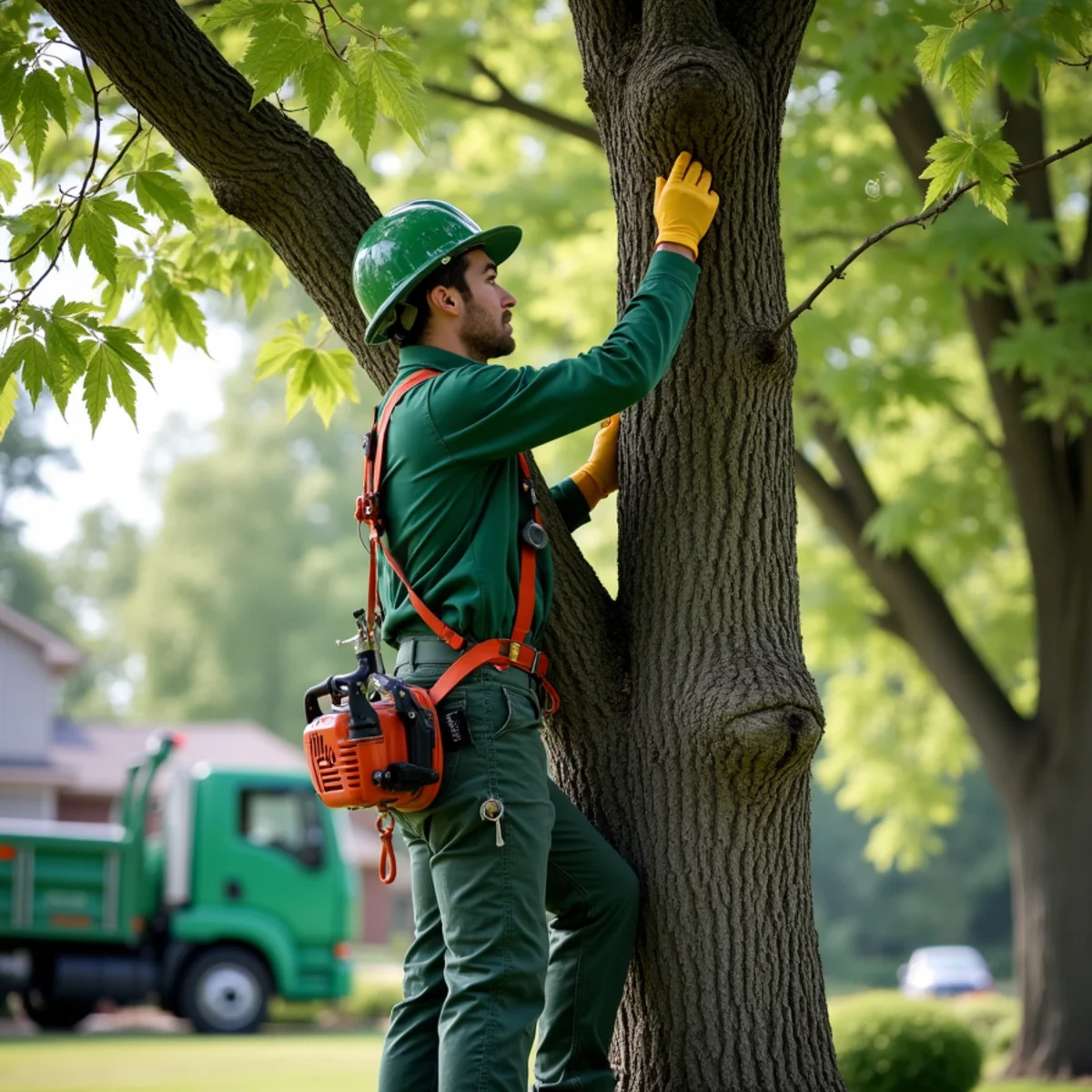
Tree Trimming & Shrub Pruning in Fort Wayne, IN
Proper cuts that protect structure, clear hazards, and keep your trees healthy for decades.
Good pruning is invisible — the tree just looks better, lets in more light, and stops dropping branches on the driveway. Bad pruning shows for years: topped crowns, torn bark, and weak regrowth that becomes the next hazard. Fort Wayne's mature maples, oaks, and other street trees need real structural pruning, not a chainsaw hack job, and that's what we do.
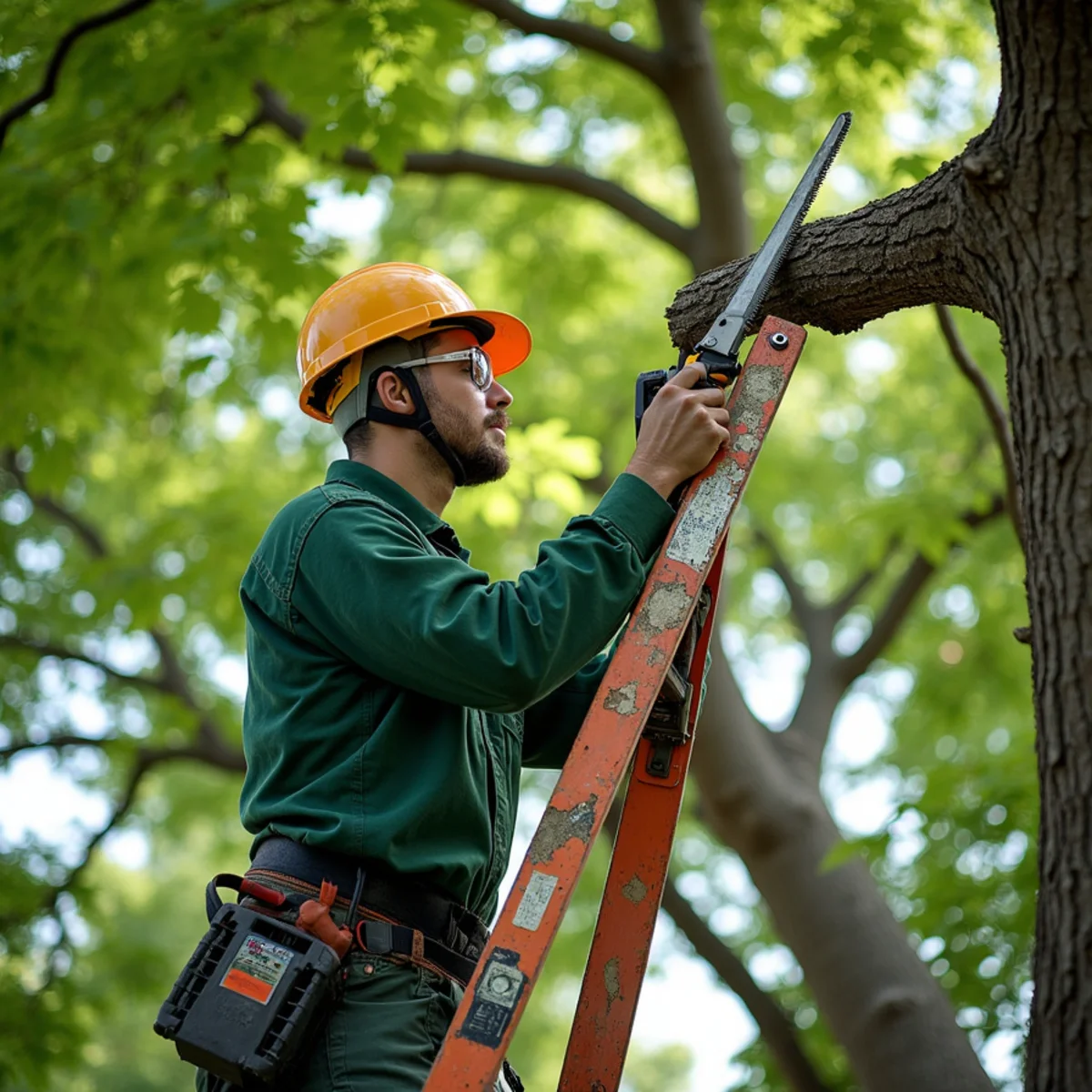
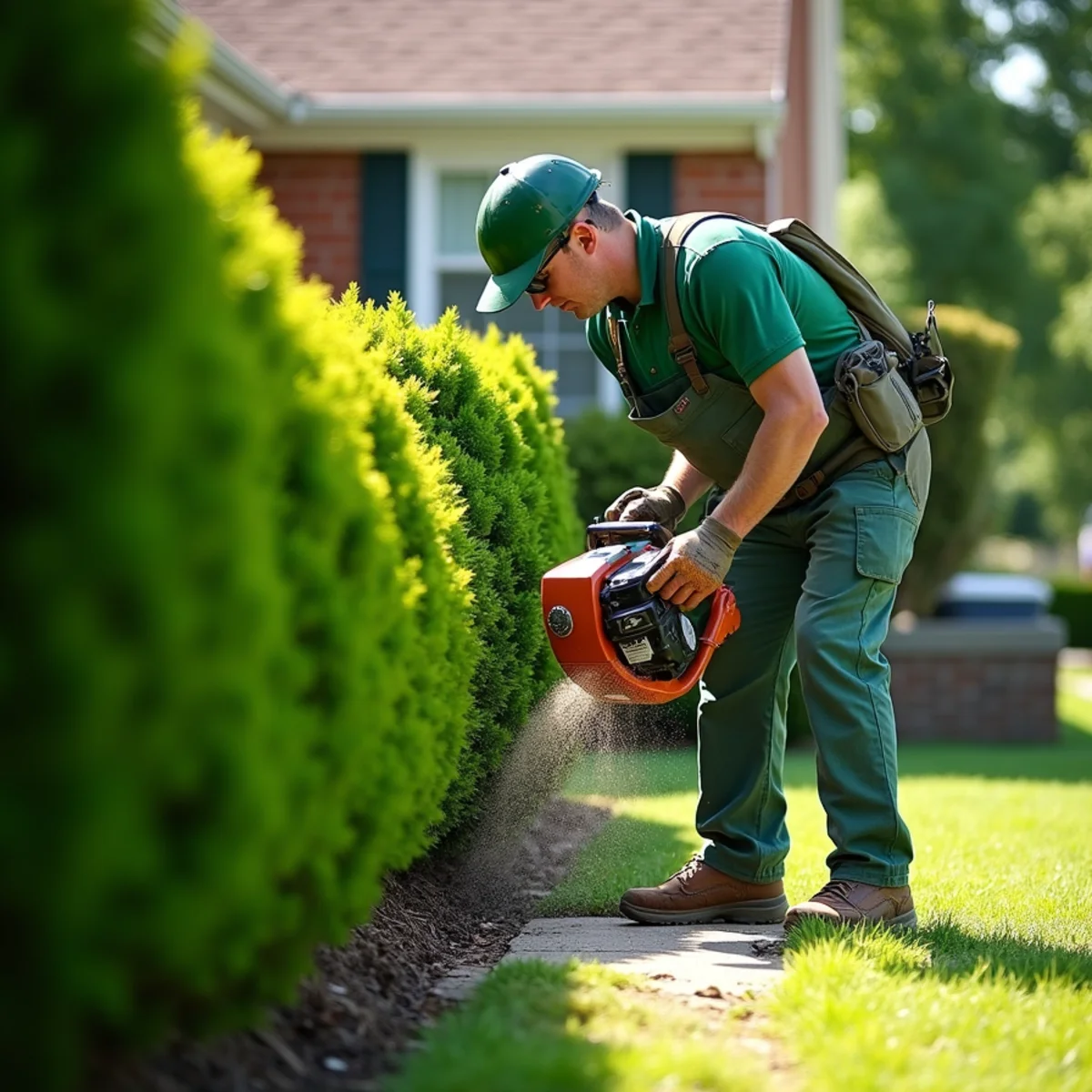
We prune for clearance over roofs, drives, and sidewalks; remove deadwood before it falls; thin dense canopies to reduce wind resistance and storm risk; and shape young trees so they grow strong. Every cut is made at the right point so the tree seals the wound and stays healthy — we never top trees. Closer to the ground, we trim and shape shrubs and hedges, pull overgrown foundation plantings back off the house, and renewal-prune tired bushes so they fill back in instead of turning woody and bare.
Part of our tree services in Fort Wayne — also see tree removal, stump grinding & removal, tree & shrub planting, emergency tree service, storm damage tree cleanup and fallen tree removal.
Signs You Need Tree & Shrub Trimming
What's Included
- Structural and corrective pruning
- Deadwood and hazard-limb removal
- Clearance pruning over roofs, drives, and walks
- Canopy thinning to reduce wind load
- Crown raising and shaping
- Young-tree training for strong structure
- Storm-risk reduction on mature trees
- Shrub and hedge trimming and shaping
- Renewal pruning for overgrown bushes
- Full cleanup and debris haul-off
Get a Free Tree & Shrub Trimming Quote
Serving Fort Wayne & Northeast Indiana. Call (323) 606-0255 or request an estimate online.
Free estimates Fully insured Family-owned & local
How It Works
- 1Tree health checkWe assess species, structure, deadwood, and any decay before recommending what to cut and what to leave.
- 2Set the objectiveClearance, safety, health, or shaping — we prune to a goal, not just to remove wood.
- 3Make proper cutsCuts are placed at the branch collar so the tree seals properly; we follow the 25% rule and never top.
- 4Clean upWe chip and haul all brush and leave the area raked and tidy.
Timing matters for Northeast Indiana trees
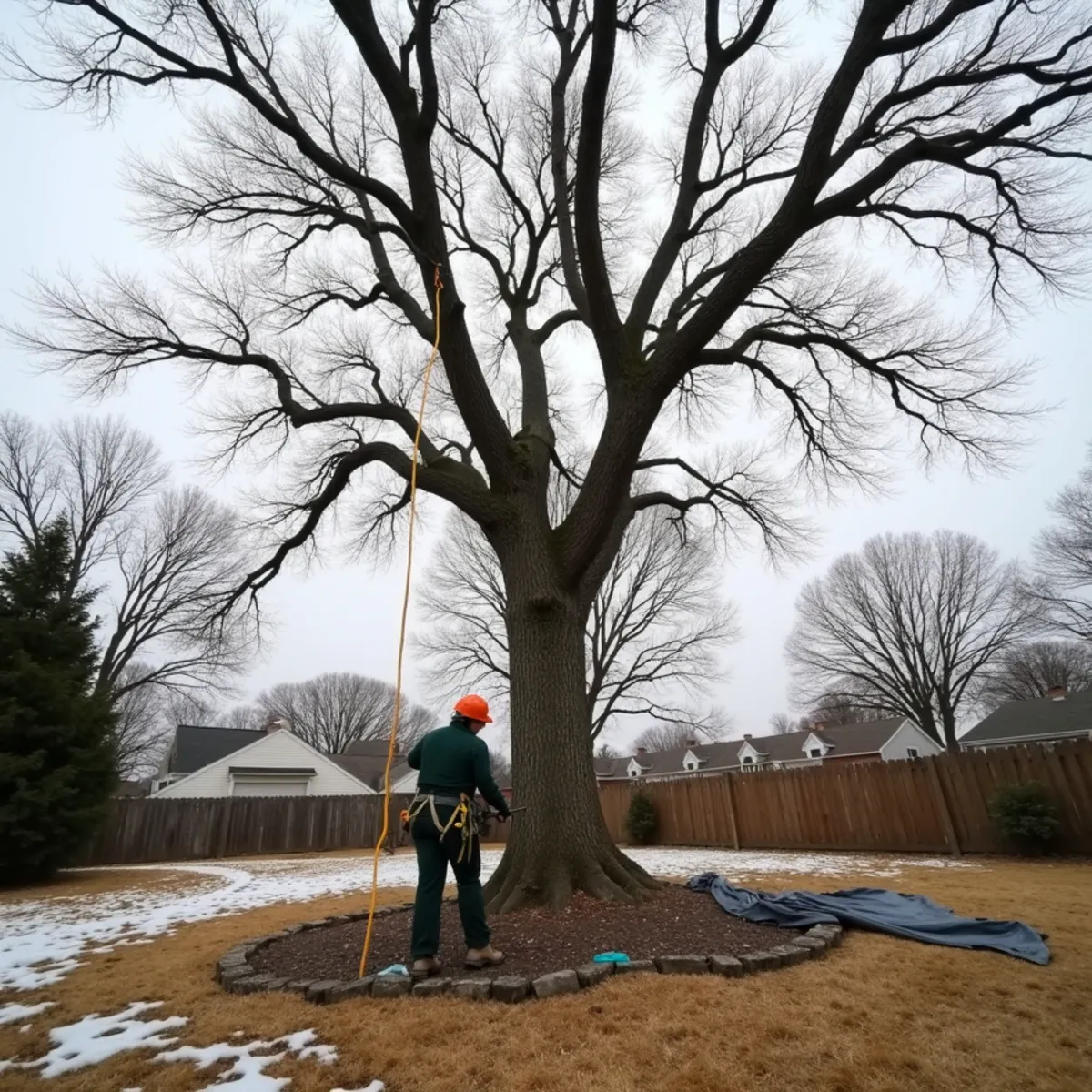
Most structural pruning is best done in the dormant season or late summer. Maples and birches 'bleed' heavily if cut in early spring, and oaks are best pruned in the dormant window to reduce the risk of oak wilt. Dead, broken, and hazardous limbs, on the other hand, can and should come out any time of year. We time the work to the species and to what your tree needs.
The single most important rule is restraint: removing more than about a quarter of a mature tree's live canopy at once stresses it and forces weak, watersprout regrowth. We prune conservatively and correctly so the tree stays strong instead of reacting to over-cutting.
Shrub and hedge trimming in Northeast Indiana
Shrubs follow a different calendar than shade trees, and getting the timing wrong is the most common reason a bush stops flowering. Spring bloomers like lilac, forsythia, and azalea set next year's buds the summer before, so we trim them right after they finish flowering. Summer bloomers such as panicle hydrangea and spirea flower on new growth, so they're pruned in late winter or early spring. Yews, boxwood, and other evergreen hedges get their main shaping after the spring growth flush, with a lighter touch-up by midsummer.
In Fort Wayne we stop heavy shrub pruning by about late August. Cutting later pushes out tender new growth that doesn't have time to harden before the first hard freeze, and that's where winter dieback comes from. Overgrown bushes are handled with renewal pruning in late winter — taking out up to about a third of the oldest stems at the base each year — rather than shearing everything into a ball. And hedges are shaped a little wider at the bottom than the top so sunlight reaches the lower branches and the hedge stays full to the ground.
What Affects the Price
We give free, itemized estimates — no fake online prices. Your quote depends on:
- Tree size and how much of the canopy needs work
- Number of trees
- Access and whether climbing or a lift is required
- Deadwood volume and proximity to structures and wires
- Debris haul-off vs. leaving chips on site
- Number and size of shrubs, or total length of hedge
Why Fort Wayne Chooses Us for Tree & Shrub Trimming
Tree work is the most dangerous job we do, so we treat it that way: limbs are rigged and lowered instead of dropped, crews and equipment are insured, and the yard is raked clean before we leave.
Tree on your house, car, or wires in Fort Wayne?
Our emergency line is answered 24/7. If there are downed power lines or injuries, call 911 and the utility first, then us.
How to Get Your Free Tree & Shrub Trimming Estimate
- 1Call (323) 606-0255Tell us what's going on. You talk to the crew, not a call center.
- 2We look at the propertyWe walk the job with you, check access, and answer questions on the spot.
- 3Written, itemized estimateLabor and materials separated. No obligation, and no pressure to decide that day.
Tree & Shrub Trimming FAQs
When is the best time to trim trees in Fort Wayne?
Do you top trees?
How much can you safely remove at once?
Can pruning reduce storm damage?
How often should my trees be pruned?
When should shrubs be trimmed in Indiana?
How late in the year can you trim bushes in Fort Wayne?
Tree & Shrub Trimming Across Northeast Indiana
We provide tree & shrub trimming in Fort Wayne and throughout the surrounding communities:
Related Services
Tree Removal
Safe, insured removal of dead, hazardous, and unwanted trees — plus stump grinding.
Learn moreStump Grinding & Removal
Stumps ground below grade, surface roots chased out, and the spot left ready for lawn, a bed, or a new tree.
Learn moreMulching & Bed Maintenance
Weeded beds, crisp spade-cut edges, and fresh mulch at the right depth, with no mulch volcanoes.
Learn moreTrusted by Fort Wayne Homeowners
Based on verified Google reviews from Fort Wayne & Allen County customers
“Darick and his crew were super professional and did an outstanding job on our landscaping front yard work. Highly recommend.”
Google Review
Fort Wayne, IN
“They took down a 40-foot tree hanging over a structure and cleaned everything up. Very happy with their service.”
Google Review
Allen County, IN
“On time, fair price, and they left the yard cleaner than they found it. Exactly what you want from a local crew.”
Google Review
New Haven, IN
Ready for Tree & Shrub Trimming?
Family-owned crews serving Fort Wayne & Northeast Indiana. Call now or request a quote — we answer the emergency line 24/7.
Free estimates Fully insured Family-owned & local